Read time: 4 min | Change Flag: Market / Paradigms
Thanks to Claude and Notion, my whole business runs on a wicked Kanban. Everything that’s worth anything shuffles through Upcoming, In progress, and Done.
When a card hits Done, it’s out of my filtered view, so I just don’t see it. And every week, Claude archives Done cards, and I never look at them again.
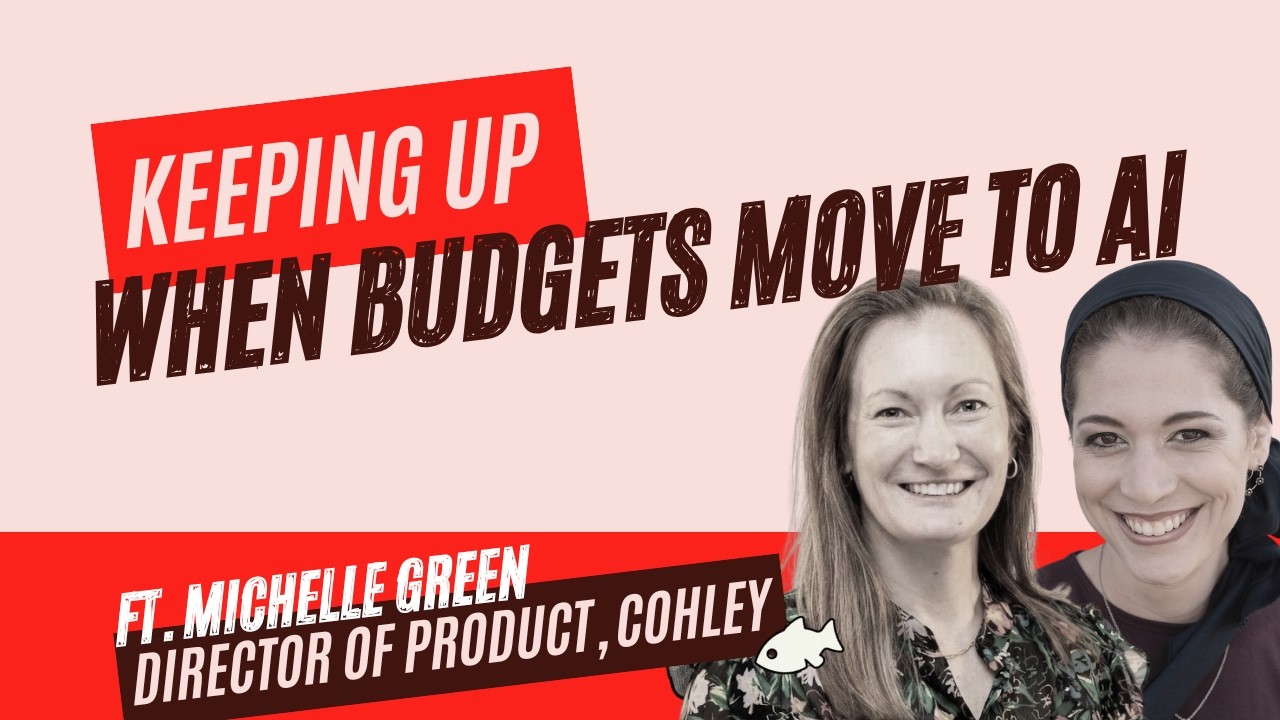
Michelle Green says she thinks in boards. She’s the Director of Product at Cohley (a content marketing platform that matches brands with UGC creators), and she designs everything following the customer experience.
“We try to think everything in flows… I’ve always focused on the next best action in terms of outcomes. When you are trying to get a specific outcome, what is the thing prior to that? Think about a Kanban board going left to right.”
I loved the Kanban analogy as soon as she said it. It’s the most visual way I’ve heard anyone describe lifecycle design: identify the outcome, walk backward, then put the next best action exactly where the customer is waiting.
Then – as I moved the “editing her episode” task card from Upcoming to In Progress, I found the caveat:
Boards are linear. Cards move left to right. And when they hit Done, they get deleted.
This is fine for cards. Once done, tasks (usually) stay done. But people? People are fluid. An account that hits Done a year prior can slide backward into any earlier column – and we won’t see it, because we deleted the card the day they reached Time to Value.
Onboarding ends. The lifecycle doesn’t.
Cohley has spent the past year embedding AI everywhere: creator matching from natural-language briefs, automated asset checks, onboarding that builds your brand knowledge as you go. New brands get a stunning workflow from day one.
But the five-year accounts? They’re duplicating briefs they wrote in 2021, which means the AI is vetting their content against requirements from 2021.
In board terms: those accounts finished onboarding half a decade ago. Card moved to Done, card got deleted.
Then the product changed. And every one of these accounts suddenly slid back to a column nobody’s looked at since 2021. No board shows this slide backward, so the accounts sit there – getting worse results from a better product.
Why churn looks sudden (but isn’t)
Churn hits your dashboard as an event — a declined renewal, a cancellation email, a line in the weekly report.
Lightning strike.
But the customer rarely experiences their decision to let you go as an event. They experience it as a progression: months of sliding through columns you don’t see. Getting less value than they think. Hitting more walls than before. Quietly re-evaluating.
Churn only feels sudden to you because your instrumentation doesn’t pick up the Done column – nor movement out of it.
Rebuilding the board so cards can move left
Try these 2 quick mental changes to turn a board appropriate for tasks into a board appropriate for accounts:
Cards never delete. No Done column. Maybe a pause. Maybe a Done for Now. When the account hits Time to Value, it parks in Done for Now – visibly – and you expect it to move.
Add the backward columns. You only need a few: platform-blind (using new features vs. missing them), value-mismatch (getting less than they could or ready for more), re-evaluating (decreasing usage, support tickets, crisis accounts). I like to use the 9 Change Flags.
That alone is the bulk of the fix because the slide becomes movement you’re tracking – not a surprise you catch.
For a company Cohley’s age, the best growth lives in the existing base (usually in exactly the accounts that make you work a little harder). A card sliding left is a warning – and we can catch it if we rethink how we view our usage data.
In the episode
The board is just one tiny topic in our episode; the full thing has lots more.
There’s Finn, Cohley’s sparkly AI fish, catching rogue Nike swooshes in the backgrounds of creator kitchens.
There’s my “Waterly” churn story – how I left a tool that I loved and recommended up until just one week prior to my exit.
There’s the push to move “creator-economy budget” into “AI budget,” and how companies can meet that demand – even if they haven’t shipped AI yet.
And there’s the experiment we’d build first. It catches a minute of attention nobody’s using – and it’s pretty slick. Worth watching the full thing instead of reading this tiny tease:
Listen & subscribe: Apple Podcasts · Spotify · YouTube · everywhere else
Diagnose your own Change Flags — free
Nine Change Flags quietly push customers to re-evaluate you. Find the ones your product is facing in about five minutes.
Read the full episode transcript
Nikki Elbaz (00:00) There's this software that I love that I have been using for years. Let's call it Waterly. I am super happy with Waterly. With the product, with the support. I'm just really loyal to it. I rate every NPS score as 10, And I actually really do recommend it to everyone. That is, until a colleague told me that Waterly's competitor just released an AI feature that blows Waterly out of the water. This new AI feature is worlds away from any of the capability that Waterly offers. I did not want to switch. Migration is a pain, learning a new tool, eats a week that I don't have. And I genuinely just like Waterly better than their competitor. So I took the time to send a feedback submission and I asked Waterly if they have anything similar on the roadmap. They didn't respond. So despite really not wanting to, I switched. I just couldn't say no to this additional functionality. And two weeks later. Waterly opened a wait list for this exact feature. If I had known it was just a few weeks out, I wouldn't have swedged. It just wouldn't have been worth it. But they didn't tell me, so they lost me. I get it. The pressure to ship AI features is intense. But we need to understand that our accounts are feeling that pressure too. They're just feeling the pressure to adopt AI software. They don't want to switch away either. They're being pressured to. Unless you could show them your roadmap. Show them that in a few weeks or months. Your line item can say AI too. And that's the crux of our episode today. Every episode, I bring a guest a real piece of customer feedback. A three-star review, a Reddit RAN, a support ticket. And together we map the feedback to one of nine change flags. Change blanks are moments when something changes for your customer. it can be a change in their life, in your product, in the market at large. And these changes make them wonder if you are still a fit. Catch the change in time. And instead of them churning, they stick around. And if you do a really good job, they don't just stick around at neutral. They expand, adding usage, seats, upgrading. So again, we're going to open with a review and we're going to map it to a change flag. if you want to check out all nine change flags. Head to nikkielbaz.com slash workshops where you'll get the full breakdown. But meanwhile, let's read our review. Actually, first, let's say hi to our guest. Today's guest is Michelle Green, director of product at Cohley. Which is a content marketing platform that matches brands to creators to streamline everything UGC. I first met Michelle when sitting down to record this episode. but after talking to her for an hour, It is easy to see why Cohley and customers love her. She's got innate product sense. She sprinkles the product with the lighters. She thinks in flows. And most importantly, she's really in touch with customers. In fact, if you scroll down to the show notes and read her bio, you'll see that she says. that she approaches product development with a simple but powerful belief. The best products are built by listening closely to the customer. Well, it's not just a line in her bio, it's how she actually works. so let's listen closely to what one of Michelle's customers wants to tell her. I almost forgot. I'm Nikki Elbaz, bringing 15 years of SaaS marketing to these conversations. Welcome to Churn Flags.
Nikki Elbaz (02:53) We have used Cohley for two years and like the UGC, but would like to be more choosy on who applies and sees our campaigns. we get a lot of people out of the country or off brand applying, even though the campaign states what we're looking for. So is this something that they can be more choosy about?
Michelle (03:07) Now they can, they definitely could not two years ago. This is in 2021, so five years ago.
Nikki Elbaz (03:13) Okay. This is an old one. What I liked about this one is that they specifically say we've been using it for two years and we'd like it, And then I wish there was this. And actually that does exist.
Michelle (03:22) it's valid, right? Why have to go through tons of applications when you told me exactly who you're looking to work with? This is actually something where we have a version. It could be even better. So even if you were to tell me that this review is from this year, yes, are continuing to hear this because we can still improve. we felt like we solved it two years ago and now we feel like we can solve it even better.
Nikki Elbaz (03:44) so even though Cohley shipped this solve two years ago, they're still getting feature requests for it. Hmm, that sounds like a change flag to me. The product changed, but the customer's picture of it didn't. Let's find the flag.
Nikki Elbaz (03:56) I think we're working on market where like the world has changed. AI is now so requested And if you don't have it, if you're not communicating that you have it, that's going to be expansion opportunity or a turn risk.
Nikki Elbaz (04:08) So this is a market flag, specifically a paradigm flag. shifts don't happen often. They only happen when something fundamental changes about how the world operates and in what our customers need from us because of it. COVID was an example of a paradigm shift, and obviously AI is too. Suddenly, AI is table stakes. No one is asking for it. They're just expecting it. Paradigm shifts shout at us to make changes. And fast. We don't have to listen hard. We just need to meet those changes and we know it. But before you tell me that you are moving as fast as you possibly can, might I remind you that the change flag framework is not about changing anything about your product, rather, changing your communication. I'll let Michelle explain.
Michelle (04:46) Market has changed to where our brands are moving money from an influencer or creator economy budget to an AI budget. So we are at risk of getting cut if they don't feel that Cohley has adopted AI because they've been told top down to invest in AI.
Nikki Elbaz (04:55) Mmm.
Michelle (05:05) And so that's us communicating that we are AI first Cause if a brand didn't know we were working on that, they might have found another platform cause they're forced to move that money. however it's been line itemed, they have to say that it's on an AI first platform. And that's like a market change that we are seeing.
Nikki Elbaz (05:11) Mm-hmm. Mm-hmm. So even if they're not actually using the AI features, they need to know that you have them.
Michelle (05:29) well, that's, I guess, what's one of the beautiful ways that we have incorporated Finn into the platform you're using him regardless way we built the natural language search, the way we're building the onboarding, the way we have the asset analysis it's part of the platform. It's embedded. Our fish is named Finn. We named our fish. So Finn is suggesting functionality features. So like, you looking to save time? Have you tried filtering by these flags? Or you could say to Finn, help me find creators that match these requirements. And he'll be utilizing AI recommendations to find the best creators for you. So Finn is still in beta, so it is a very tight beta right now. I wish. I think he's more of a goldfish. But we shouldn't say he's in gold. I love that. But We have limited features right now, but about four new tools are in development. So we'll be slowly adding to his capabilities, which is very exciting.
Nikki Elbaz (06:06) Is he a betta fish? Okay.
Michelle (06:24) so we have launched a new survey that every single creator that is joining the platform must fill out. It's not our requirement. It's like 10 questions. It's nothing crazy, but it's helping us learn a lot more about them. So that way we can understand who they are as a creator without having to have months of data of seeing who they apply And we immediately match them with the best brief for them. then we're also tagging and scanning all their assets. So that way we can also understand, can you create the kind of content that the brand is looking for? And then from As an analysis perspective, we are giving them the same analysis that we're giving the brands. So can say, Hey, it looks like you had a Nike swoosh on your sweatshirt when you recorded this brand said no other logos. technically Nike could reach out to that brand saying, it down. little things like brand logos in your kitchen, brand logos on your clothing, on your shoes, brands do care about.
Nikki Elbaz (06:58) Mm.
Michelle (07:16) and so if you can say no other logos in the background and you're not having to painstakingly watch a 30 second video to be like, okay, is there a logo anywhere? And then I have to watch that again. Okay. Did they say anything that they weren't supposed to say? Like AI is flying and all of that. So one of the content creators that I was, working on this with, he was like, that's amazing. I totally didn't see that in the background. Now I can just add a little blur on it and be done. And it's a better first look for the creator too.
Nikki Elbaz (07:41) Also, can they really even see their own kitchen fresh eyes? They can't see the logo. It's their coffee pot.
Michelle (07:45) Right. That kitchen's always a mess. I don't even notice it.
Nikki Elbaz (07:53) So Cohley actually shipped AI features already. A brand looking for UGC. Says who it wants, what it doesn't. And the AI goes and finds them exactly what they need. They don't have to write a million briefs. They don't have to sift through a hundred videos. They don't even have to check the clips twice. Cohley met that paradigm shift. Shrew, they're in the clear, right? Well, maybe.
Nikki Elbaz (08:13) what about the people who are not in beta? Do they know that there's a beta and they're missing out?
Michelle (08:17) So we're actually about to have the opposite problem where we have the perfect workflow for everyone new, and then the current customers don't know about it. So is everyone going go through onboarding? Are we going to say take a step back before you run your new brief, we need you to give us this information. people are stuck in their ways. there are brands that have been with us and I've been duplicating briefs for five years. Cohley is 10 years old those brands that have been with us so long, sometimes they're the ones that are actually the slowest to learn something new. they're in a platform blind, didn't even notice the change. it's on autopilot,
Nikki Elbaz (08:47) The problem is that the AI features only work based on the inputs. That the brands share in each brief. So if a brand doesn't notice the AI changes and take the time to update their inputs, they're not going to get improved results. Despite the fact that the AI is embedded. Garbage in, garbage out.
Michelle (09:03) people are duplicating briefs. They don't take a second to look at the non-negotiables that they've entered in the past. Even though we've told them, Finn is now utilizing these non-negotiables to vet content for you. Like, let's all take a second and really fine tune these and make sure that they're good.
Nikki Elbaz (09:19) they might actually feel like they're getting value because they're getting creators responding OK, this video is great. Yay, let's go publish it. But they could be getting such better value. They could be getting more differentiated content. they think they're happy. They're not.
Michelle (09:32) to do. Like, is it worth my time? Should I stop and take a conversation with you? How can we show them if you had told us this, we'd be using it here. make them feel like, I could have been making this better or this was made better because you told me that. Then it's like, oh, I'm glad I did that. We're trying to have conversations. If I've seen that someone hasn't changed them, I'm sending them an email saying like, hey, I think you could do better. I would suggest these instead. Some emails I got good responses from, some… crickets. So it's a little bit of hand holding for every single change that you make. And that's unfortunately not scalable. So at what point are you okay with some people missing out on all the new goodness?
Nikki Elbaz (10:13) That might sound like defeat, but of course it's not. We're never okay with it. We just run out of hands. Michelle is emailing customers one at a time, And that stops the second she does. Doing it by hand doesn't scale. And when something doesn't scale, that's usually a flag that there is a moment that the change flag framework exists to catch. You won't win over every account, obviously. But we don't write these accounts off either. our company Cohley's age, the existing customer base is where the best growth happens. Often in the accounts that make us work a little harder. To get them to move and So the question isn't how many of these customers you let go. How many you just let do the old way? It's how do you stop doing this by hand? How do you stop emailing one at a time? How do you build the hand holding into the product? How do you scale it? Let's get into how.
Michelle (10:55) majority of our brands, have a monthly meeting. our team is there to help. they guide on the strategy. So what is your strategy for your product launch? You're just now getting on TikTok. You're getting on Amazon. You're getting pressure from your Walmart and Target reps.
Nikki Elbaz (11:09) Is there a push in those monthly meetings to say, hey, did you update requirements? You're non-negotiables.
Michelle (11:14) I would love to say yes. Unfortunately, there's so many things that they need to touch on, right? The brand has questions. They have questions about the brief they're writing. Oh, we need to go over this new product thing. What about the one from six months ago that you still have questions about, I would love to say there's time to hit on everything. I think some brands, you just have to prioritize what's going to help them the most that day,
Nikki Elbaz (11:37) in the monthly meetings it's too complicated. brainstorming, what are some great ways that we could be bringing these to the existing users once Fin is ready for everyone? What would be some great ways that you could bring it to the existing users besides obviously that classic like launch email?
Michelle (11:52) he kind of sparkles. So the fish comes alive, if you will. I like the word sparkle, so that's what we're saying internally. But when you log in, Finn will be sparkling to get your attention, and we'll be able to do any new updates there as well. So anything that we want to improve from a KPI standpoint, any new feature that we want to roll out or make sure people are aware of, it's just a quick prompt change, and we can let Finn know to push this objective. We also are making sure that each
Nikki Elbaz (12:15) Okay.
Michelle (12:20) instance for Finn is very isolated and separate. So one brand's information will not impact another brand's information when they log in. in. And so we can know from the brand's behavior and actions taken in platform LinkedIn has like the percent to profile completion. Maybe we should do something new like that where it's like, okay, this is how confident we are in your.
Nikki Elbaz (12:47) Mm-hmm. Thank
Michelle (12:53) knowledge and our knowledge of your brand and how much we think we are differentiating you from other players in the space.
Nikki Elbaz (13:00) Yeah, yeah, like little badges or something
Michelle (13:03) So I think when it's natively part of the workflow, making sure it's front and center, making sure it's there when they need it and they have the information to then make the next decision. I've always focused on the next best action in terms of outcomes. when you are trying to get a specific outcome, what is the thing prior to that? when is that outcome the next best action that you want them to take? what's going to trigger that? So we try to think everything in flows, what is that next best action and where am I to see that? think about a Kanban board going left to right,
Nikki Elbaz (13:32) I love this Kanban mental model. It's such a visual, smart way to plan a life cycle. And I especially love how Michelle says to think backwards from outcomes. Because when we use Kanban for tasks, they're very linear. Incoming, in progress, done. And when a card hits done, we delete it. But accounts aren't tasks. They're people with varying circumstances. something changes And the customer who was done a year ago suddenly needs something again and slides back to an earlier column. we don't see it because we deleted the card as soon as they hit time to value. That's what the change flag framework is all about.
Michelle (14:01) So we have flags in platform We have a search capability we have the filter capability. we use Pendo. So we can do a pop-up, a loom video. I use the little icon with my face in the bottom left corner. So it's personalized always less than four minutes, short and sweet. we'll have a blog update every single month. And we will also make sure that our customer success team is up to speed. Not everyone reads. People log into the platform and they close out Pendo and they don't take the time to watch the video. So we have our resource center where they can always go back and watch videos. And then we also want to just make it super discoverable.
Nikki Elbaz (14:38) you need the person to actually click the tooltips. But if they are just waiting while it's loading anyway, and it's telling you like, hey, we're checking your requirements, you're checking your legal FTC, putting in that. thinking text to help them see. I really should be updating my requirements. It's using those requirements, you know, like maybe even like spooling it out like checking your requirements that XYZ and it's like, that's not actually what I care about
Michelle (15:02) Yeah, a hundred percent. love the thought of like, what are we analyzing? What are we looking at? Like I can upload a document with my guidelines. What did Cohley take away from that? did we learn these three bullet points will now be included in all your briefs going forward? Or was it like, okay, what you just uploaded, I learned nothing from you,
Nikki Elbaz (15:20) Obviously, best case scenario, we don't nudge at all. We just build the change into the product so that people bump into it just by using it. Finn does this, you're using him automatically whether or not you know it. But when you can't make it automatic, Like when we need some manual input to help Finn give great outputs. You put it somewhere they already go. And that's why, out of everything we threw around, confidence score, the you miss this badge, the one that I'd build first is the loading screen. It doesn't cost anyone a minute of attention. Because the minute's already gone. They're sitting there watching it load. And it uses the dead minute to say the thing that the longtime customer needs to hear. Here's what's feeding your outputs. here's what we're checking for you. Here's the request you didn't even know you asked for. That's a lot harder to ignore. you're putting the information they need in a dead zone that they are already staring at. When a customer tells you What they wish your product did. Your first instinct is to build it. And sometimes you should. But that's not where most of us are weak. We're good at shipping. We do it constantly. We prioritize feature requests and fixes. And honestly, with how fast you can build now, shipping is the easy part. Remember Waterly? sure, they needed to adapt to the paradigm shift to keep up with their competitor. They needed to ship an AI feature. And fast. But they were. A two-week app isn't enough to churn their best accounts. No one switches for a two-week headwind. It was simply the lack of knowledge That the fix is only two weeks out. Again, not a gap in the product, but a gap in what the accounts know about it. You don't have to change anything to keep up. You just have to show them what you already have. The budget move to AI. Cohley already built the AI. What's left is just telling the customers what they need to know. So if you've been feeling the AI pressure, breathe a sec. Maybe your customers don't need it this instant. Maybe they just need to know that it's coming. And if you have already built it, an adoption is not where you want it to be. Put it where they're already looking at nothing. a card next to login. A loading screen while they upload. A snippet next to the share button. and if you've been asking how many of your users you can just let miss out on all the goodness that your platform has to offer. You already know that there's a different answer. Go to Nikki Elbaz dot com slash rubric. To diagnose the change flags. that are keeping your customers at risk and inhibiting your expansion. I'll see you in two weeks. Actually, I'm out of office on July 22nd, so I'll see you on July 29th Instead. Until then, catch that change.